28 Oct 2026
Charting Regulatory Shifts: How Guidelines and Milestones Shape Upcoming Developments
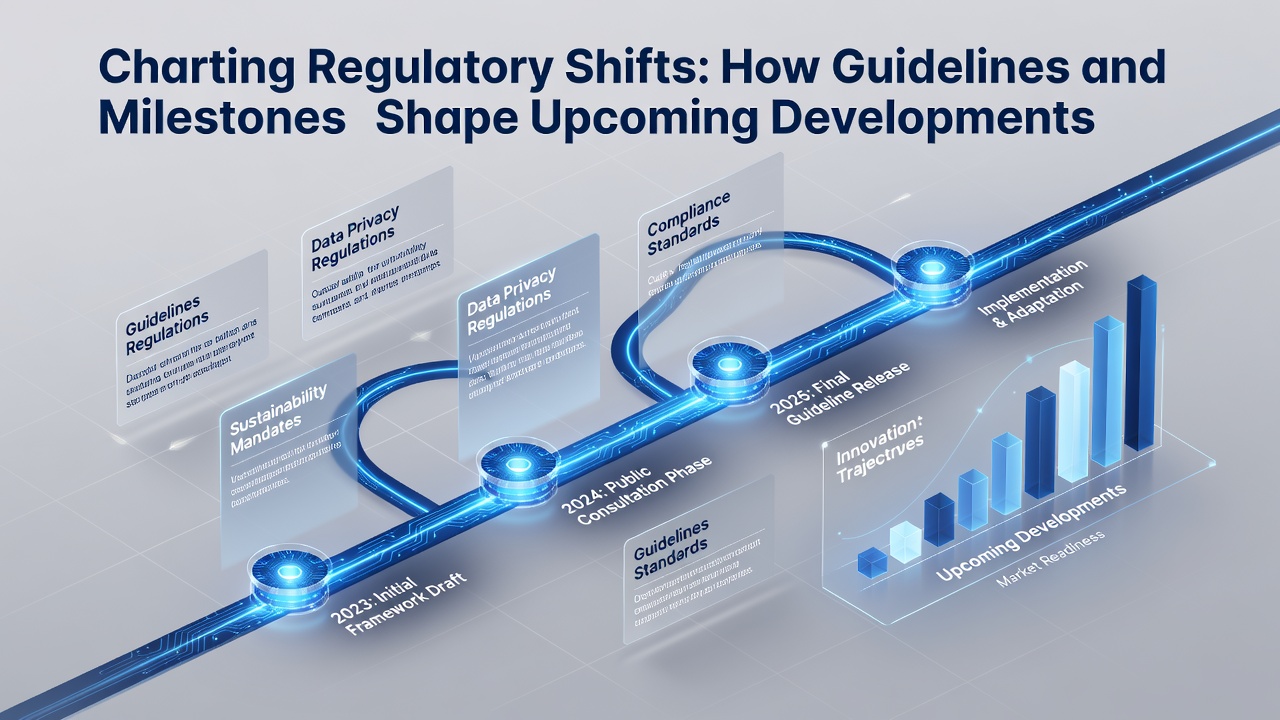
Regulatory frameworks evolve through a series of guidelines and milestones that directly influence business operations, technological innovation, and compliance strategies across multiple industries, and observers note that these changes often build on prior precedents while addressing emerging challenges in data management, environmental standards, and financial oversight. Research from international bodies shows that incremental updates to existing rules create predictable pathways for organizations to adapt, yet sudden milestone announcements can accelerate shifts in how companies allocate resources and plan long-term projects.
Tracing the Evolution of Key Guidelines
Guidelines issued by regulatory authorities in the European Union, the United States, and Australia establish baseline requirements that ripple outward to global supply chains, and data from the European Commission indicates that the AI Act's phased implementation timeline has prompted organizations to revise their development roadmaps as early as 2025. Those who've studied similar transitions point out that early guidelines on transparency and risk assessment have already shaped investment decisions in machine learning applications, while later milestones enforce stricter auditing protocols that affect smaller enterprises disproportionately.
Meanwhile the US Federal Trade Commission has released updated directives on data security practices that align with broader privacy expectations, and figures from the FTC's 2024 enforcement reports reveal increased scrutiny on cross-border data transfers. Companies operating in North America often integrate these directives into their internal policies ahead of formal deadlines because alignment reduces potential penalties adn streamlines operations across jurisdictions.
Milestones That Drive Sector-Wide Adjustments
Milestones such as the 2026 target dates for enhanced sustainability reporting in Canada create concrete deadlines that organizations must meet with verifiable documentation, and studies published by the University of Toronto's Centre for the Study of Global Markets show that firms preparing for these requirements have accelerated adoption of carbon tracking technologies. One research team that examined compliance patterns found that companies achieving early certification gained advantages in securing government contracts and attracting institutional investors who prioritize environmental governance metrics.
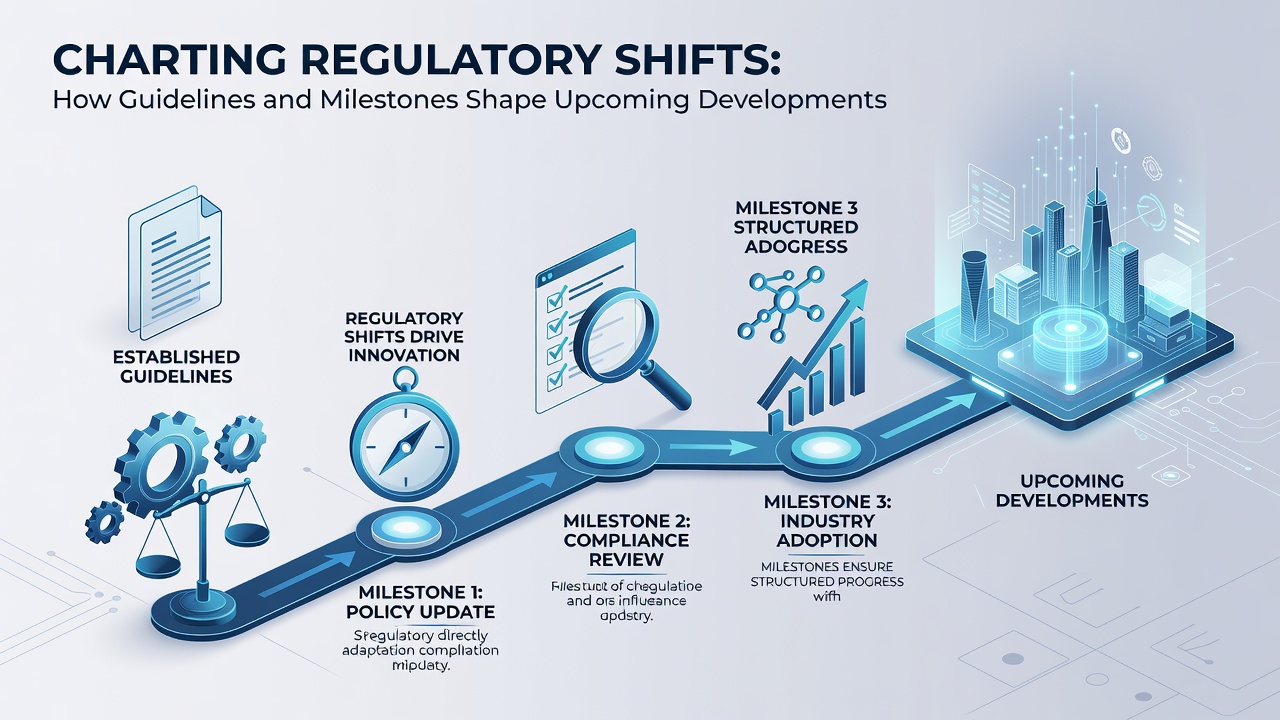
October 2026 marks a notable convergence point where multiple overlapping frameworks reach implementation stages simultaneously, including updates to Australia's Competition and Consumer Act provisions on digital platform accountability along with parallel reviews in several Asian markets. Analysts at the OECD have documented how such clustered milestones compress preparation windows and force collaborative approaches among industry associations to share best practices and reduce duplication in compliance efforts.
Impacts on Innovation and Operational Planning
Guidelines that emphasize accountability and audit trails encourage developers to embed compliance features into product design from the outset rather than retrofitting solutions after launch, and evidence from academic papers on regulatory technology adoption demonstrates measurable reductions in post-deployment remediation costs when these practices are followed. Organizations that monitor milestone announcements through dedicated regulatory intelligence teams maintain clearer visibility into upcoming obligations and adjust their research priorities accordingly.
Financial services firms face particular pressure from guidelines on algorithmic trading transparency that originate from multiple regulators, and reports compiled by the Bank for International Settlements highlight how staggered rollout schedules across regions create opportunities for phased testing before full-scale deployment. Those monitoring these developments observe that early engagement with draft guidelines often yields opportunities to influence final language through public consultation processes.
Case Examples from Different Regions
Take one logistics company that restructured its tracking systems after new Canadian guidelines on emissions data collection took effect, and internal records show that integration with existing enterprise software reduced reporting overhead by nearly thirty percent compared to manual methods. Similar patterns appear in European manufacturing where milestone deadlines tied to the Corporate Sustainability Reporting Directive prompted suppliers to adopt standardized data formats that improve interoperability across the value chain.
Research institutions have also responded by developing training modules that prepare professionals for the analytical demands of new regulatory environments, and enrollment figures at specialized compliance certification programs indicate rising interest from mid-career engineers and legal advisors who anticipate continued evolution in oversight mechanisms.
Conclusion
Guidelines and milestones function as structural elements that channel the direction of future developments across technology, finance, and environmental sectors, and the coordinated timelines emerging in 2026 illustrate how interconnected regulatory landscapes continue to influence strategic decision-making at every organizational level. Data from diverse sources confirms that proactive monitoring and adaptation remain central to navigating these shifts effectively.